Choosing the Right Script Font for Your Digital Brand
As I worked on a new boutique online store redesign, I found myself staring at the hero section of the homepage. The client wanted something elegant yet approachable—something that would make the brand feel personal and trustworthy. After testing several options, I landed on Hello Fhillya. It wasn’t just the boldness or the beautiful flow that caught my eye—it was how it fit seamlessly into the overall design language.
A Bold Script with Personality
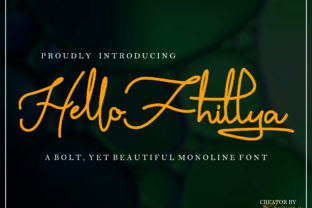
Hello Fhillya is a monoline script font that feels both modern and classic. Its clean lines and consistent stroke width give it a refined look, while its fluid curves add a touch of warmth. It’s not overly ornate, which makes it versatile enough to work in a variety of contexts—from a minimalist blog header to a more decorative product banner.
I first tested it in the hero section of the boutique site. Placed over a high-quality image of a handcrafted item, the font stood out without overpowering the visual elements. The legibility was impressive, even at smaller sizes, which made me think about how important readability is in today’s fast-scrolling web environment.
Readability and Responsiveness
One of the biggest challenges when choosing a script font is ensuring it remains readable across all screen sizes. I checked how Hello Fhillya performed on mobile devices, especially on small buttons and call-to-action sections. Surprisingly, it held up well, thanks to its clear letterforms and balanced spacing. That made me consider using it not just for headers but also for secondary text elements like button labels and navigation menus.
For the landing page, I used Hello Fhillya as the primary font for the headline and subheadings. It added a sense of elegance without being too flashy. I paired it with a simple sans-serif font for body copy, creating a nice contrast that improved visual hierarchy and scanning behavior. This kind of font pairing is essential for maintaining a clean, professional look while still allowing for creative expression.
Design Applications and Brand Identity
Hello Fhillya has a wide range of applications. On a coaching website, it could be used for the logo or tagline to convey a friendly, approachable vibe. For a course sales page, it might serve as the main title, drawing attention to key selling points. In a portfolio site, it can add a touch of personality to the header or project titles, helping to differentiate the brand from competitors.
What I really appreciate about Hello Fhillya is its versatility. It works equally well in a digital brand kit, where consistency is key, and in promotional landing pages, where impact matters most. Whether you’re designing for a SaaS startup, a creative agency, or a small business, this font offers a balance between style and functionality.
Technical Considerations
Before finalizing the font choice, I made sure to check the technical details. Hello Fhillya comes with multiple weights and styles, making it adaptable for different design needs. It also supports multilingual characters, which is a big plus if your target audience includes non-English speakers. Additionally, the font is available as a webfont, ensuring compatibility with responsive layouts and fast-loading content.
I also considered licensing and commercial use. Since the font falls under the Script Amp category, I verified that it’s suitable for use in client projects, online stores, and branding assets. This peace of mind is crucial when working on real-world design solutions.
Final Thoughts on Typographic Choices
Choosing the right font is one of the most impactful decisions in web design. Hello Fhillya has proven itself to be a reliable choice for a variety of digital projects. Its elegant yet approachable style, combined with strong readability and adaptability, makes it a great addition to any designer’s toolkit.
Whether you’re building a portfolio, launching a new product, or redesigning a blog, Hello Fhillya offers a fresh way to elevate your typography. It’s a font that speaks to both aesthetics and usability, helping to create a more polished and engaging online experience.